

IT’S a brave soul, indeed, who would venture to suggest that the planning system should not be about giving people ‘agency’: the opportunity to influence the outcome of a planning application.
Except that - as the system is currently configured - there isn’t really much ‘agency’ being provided whatsoever.
Anyone who submits a comment about a proposal simply has to take their chances that a decision maker (a planning official or an elected member) will take any notice.
Anyone who has an alternative design has no obvious forum to take their ideas (except down the objections route), where a consensus might be agreed.
And anyone who has a question to ask faces no guarantee of an answer.
There might be nuances that mean a slightly different reality, but there does seem to be roadblocks at every turn.
The thing is, it really doesn’t have to be this way. And who is going to demur if a more constructive and transparent a system were to be implemented, instead?
For all the key stakeholders, the prospect is ‘much better outcomes’: (1) for the public and the city more widely, there is the alluring possibility of a design being ‘improved’ thanks to people’s input; and (2) for developers, there is the chance of a smoother ride towards an approval (as opposed to rejection and all the extra cost that might entail), with objections and controversy potentially having melted away.
Of course, some planning applications will never be happily resolved, no matter how well a communications / arbitration framework is constructed.
For instance, one cannot imagine any amount of constructive debate ever resolving the recent, controversial proposal to turn a row of former offices on Atholl Crescent into a ‘super hostel’ comprising 544 beds - approved on appeal by the Scottish Government.
But just because there will be some intractable disputes does not invalidate the basic premise that the planning system is crying out to be reformed.
Let’s begin with questions. There are at least three reasons why someone might have a question to ask of a planning application: (1) they have been unable to find an answer, even after wading through what might be a mountainous amount of documentation; (2) the volume of documentation - especially if couched in technical language - feels too impenetrable to even embark on an interrogation; and (3) the question is cover for a later objection.
There are at least two ways of providing answers: (1) provide applicants with a list of frequently-asked questions (a possible starting list can be found, here on BuildEdinburgh; which can be added to) that they are at liberty to answer or not (recognising the possible consequences of choosing not to); and (2) to provide a two-way channel of communication that allows for some sort of conversation to take place (probably requiring third party moderation, to ensure respect at all times).
If nothing else, a Q&A platform at the submission stage of an application should reduce the time taken by elected members to decide on an application, given how many of the questions asked at the relevant committee (usually the city council’s Development Management sub-committee) are often about design.
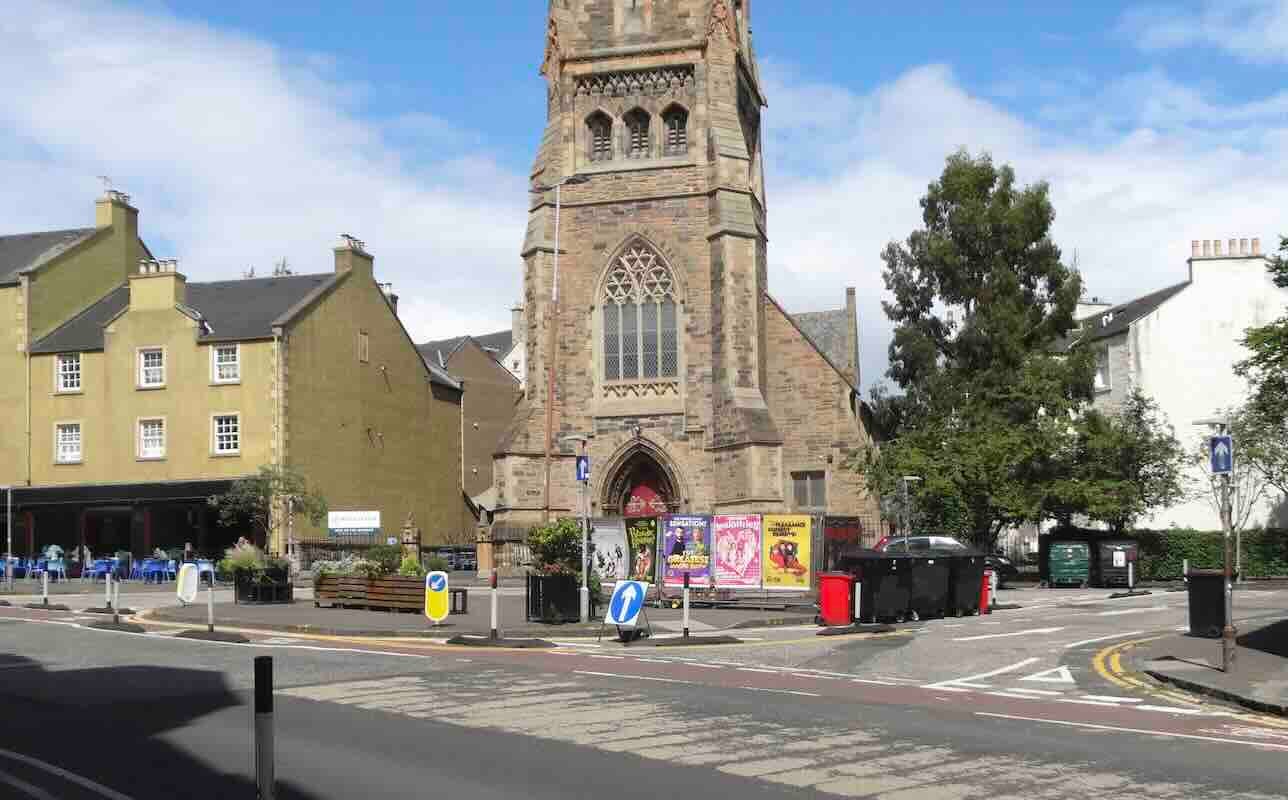
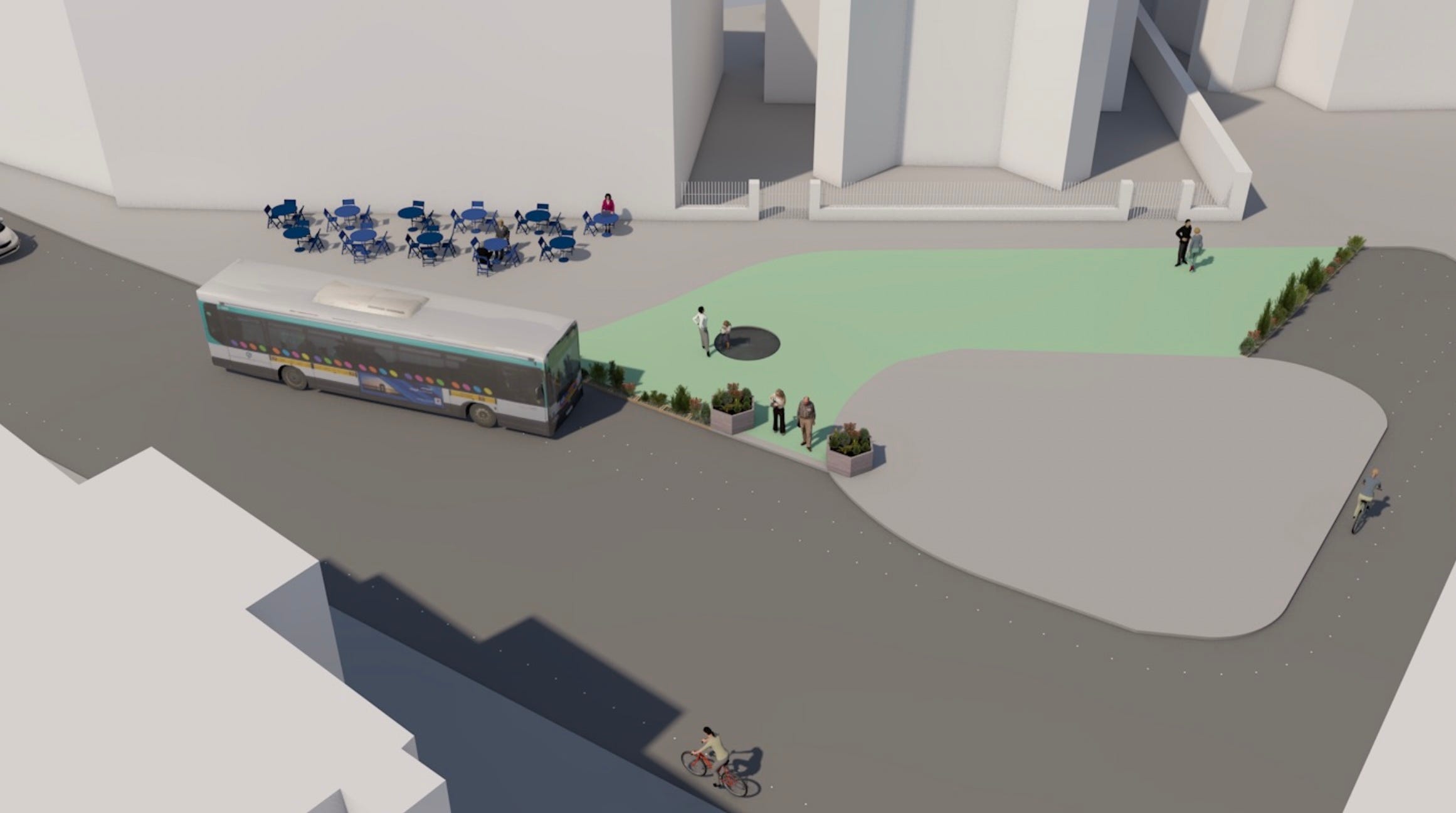
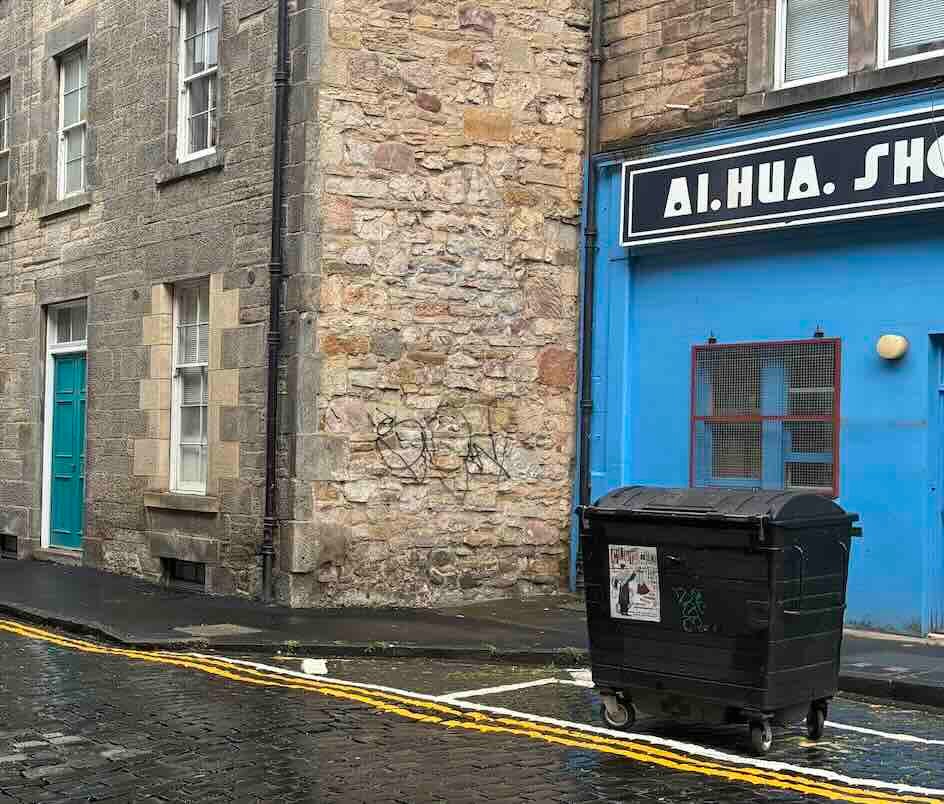
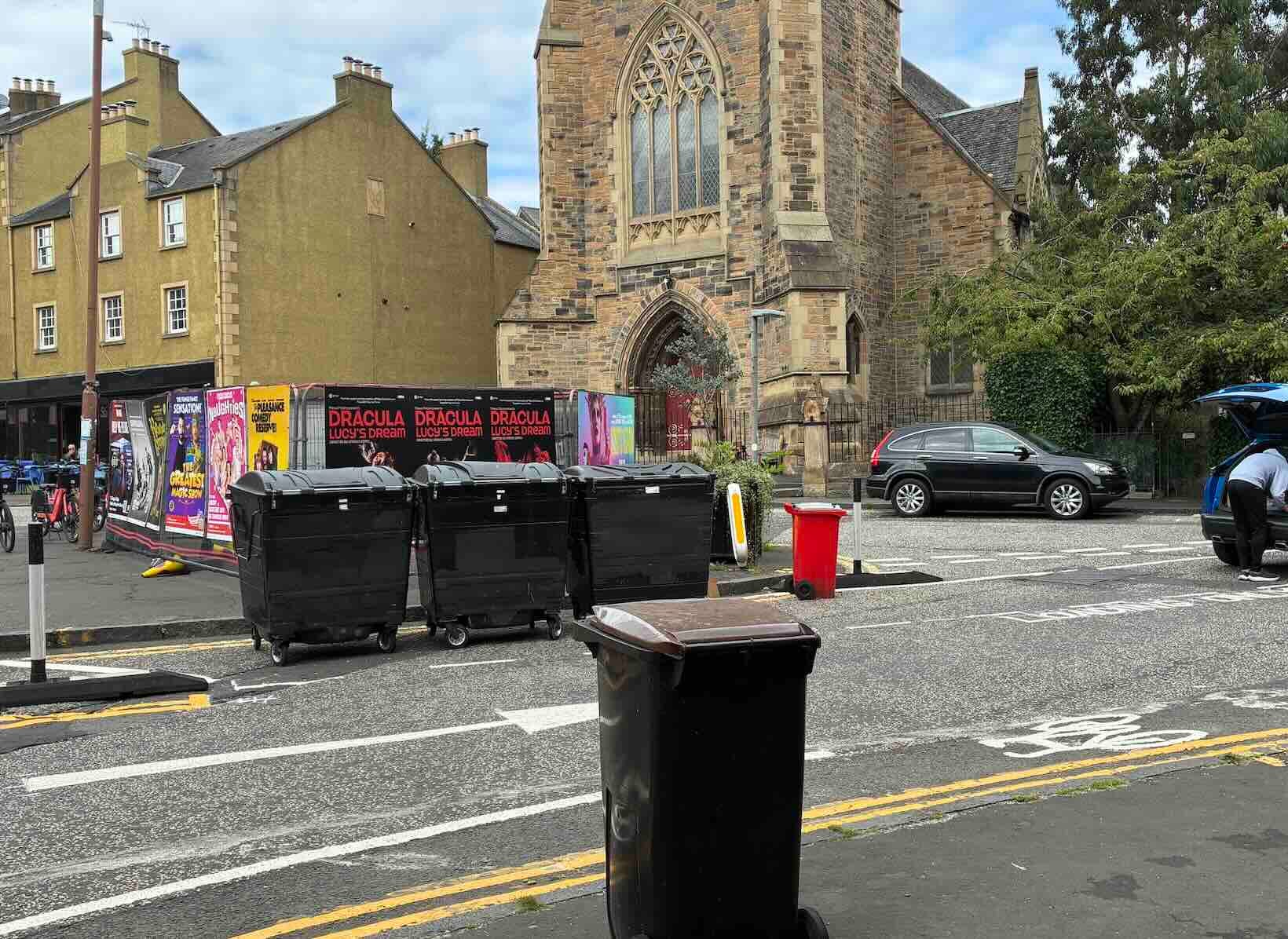
An example of there being a possible alternative design (to an albeit Traffic Regulation Order rather than a planning application) is the long-running saga that is the now just starting to be realised: the reconfiguration of West Crosscauseway into a more ‘civic space’ (TheCausey).
Two years ago, The Edinburgh Reporter website was reporting - here - the project had already endured 17 years of highs and lows.
But here’s the ‘kicker’. That same Edinburgh Reporter article said the estimated cost of the scheme was £2.1m. However, for the last nine years, there has been an alternative - designed by architect, Gordon Duffy (who has owned a property on the street for 22 years) and which attracted support from his neighbours - which he claims would cost almost nothing at all.
Duffy has been out and about, taking photographs of what has been happening since new road markings were recently laid down, following a 180 degree switch in the street’s one-way traffic system.
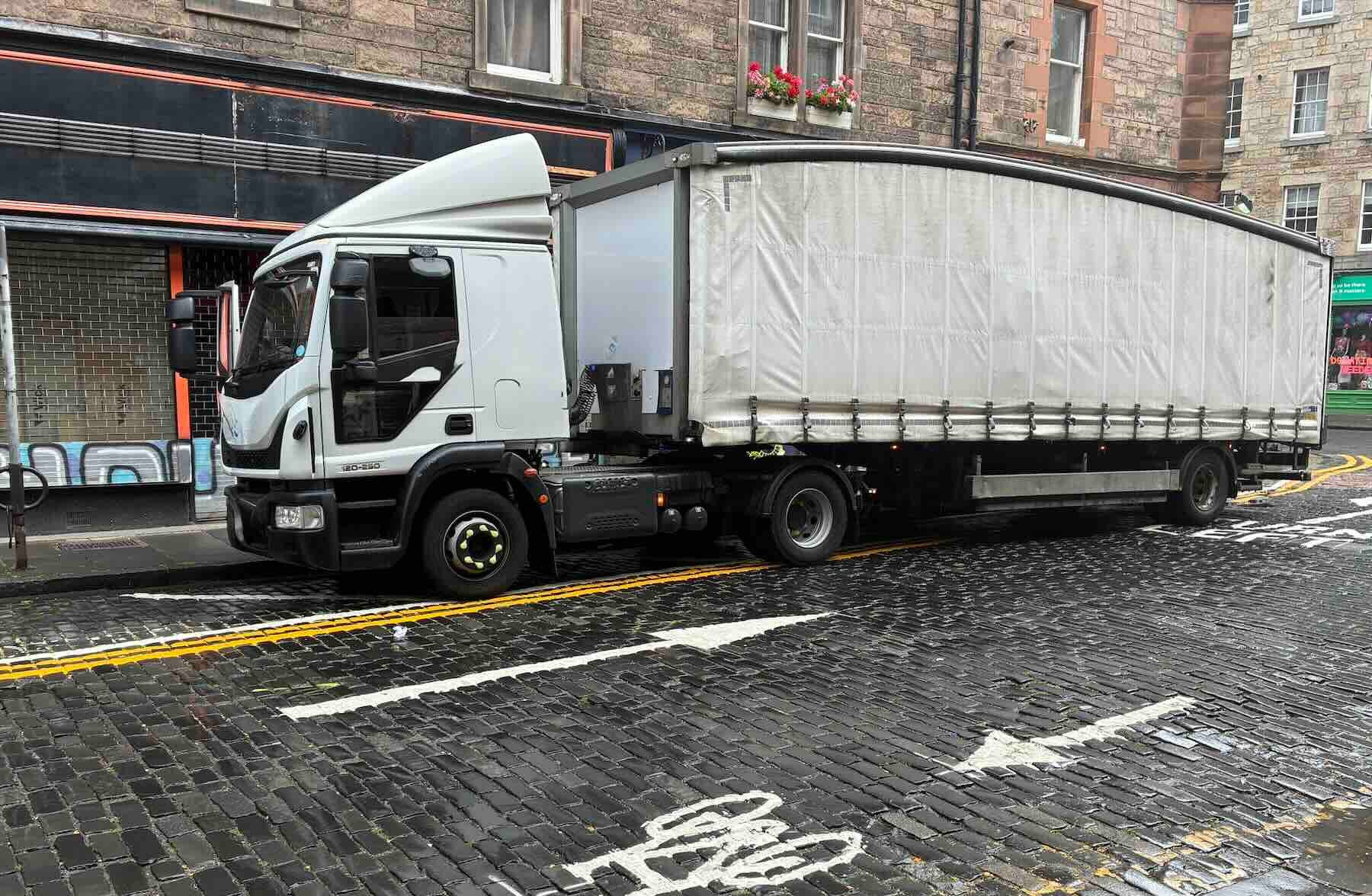
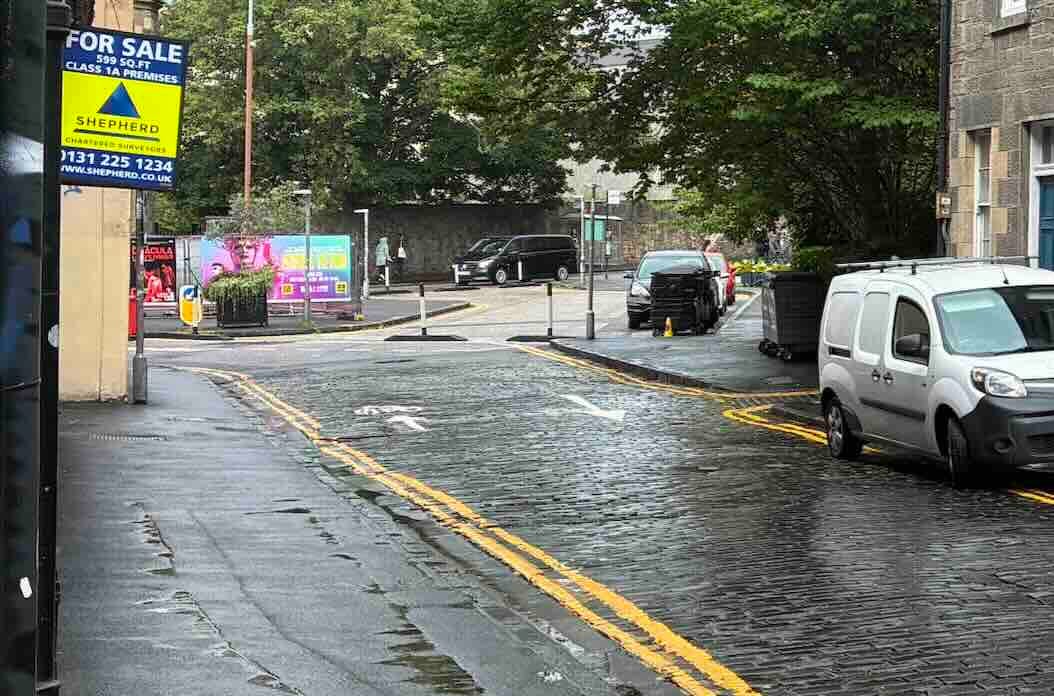
You have to wonder…
In summary, while Q&As can appear primarily online, there are occasions when nothing short of an in-person discussion has to take place.
On such occasions, the aim should always be to record what has been agreed, and to report proceedings in as transparent a way as possible.
In addition, community councils should be given the right to insist on a sit-down, in-person meeting with a planning proposal applicant, irrespective of whether they have an alternative scheme or not.
All of this is perfectly ‘do-able’ - perhaps with the help of Artificial Intelligence.
Between 2011 and 2018, some £1.4m of Scottish Government money was spent on 78 so-called ‘charrettes’, comprising place-based local design workshops.
One can draw one’s own conclusions as to why the programme was shut down. Maybe it was no longer the fashion.
In 2019, an evaluation of the scheme - to be found here - was at pains to say how people felt empowered following the opportunity to think about and discuss their locality, and how a charrette often served to highlight and clarify issues.
But as to the conversion rate between talk and implementation, there seems to be very little material in the public domain.
It’s anyone’s guess how much it might cost to implement the proposed reforms, above.
But it almost certainly would be a fraction of £1.4m.
Mike Wilson is editor of BuildEdinburgh.com
Main image details: West Crosscauseway, now west-to-east one-way traffic; copyright Mike Wilson. The Causey ‘minimal’ scheme and the lorry, van and bin images: copyright Gordon Duffy, Studio Dub