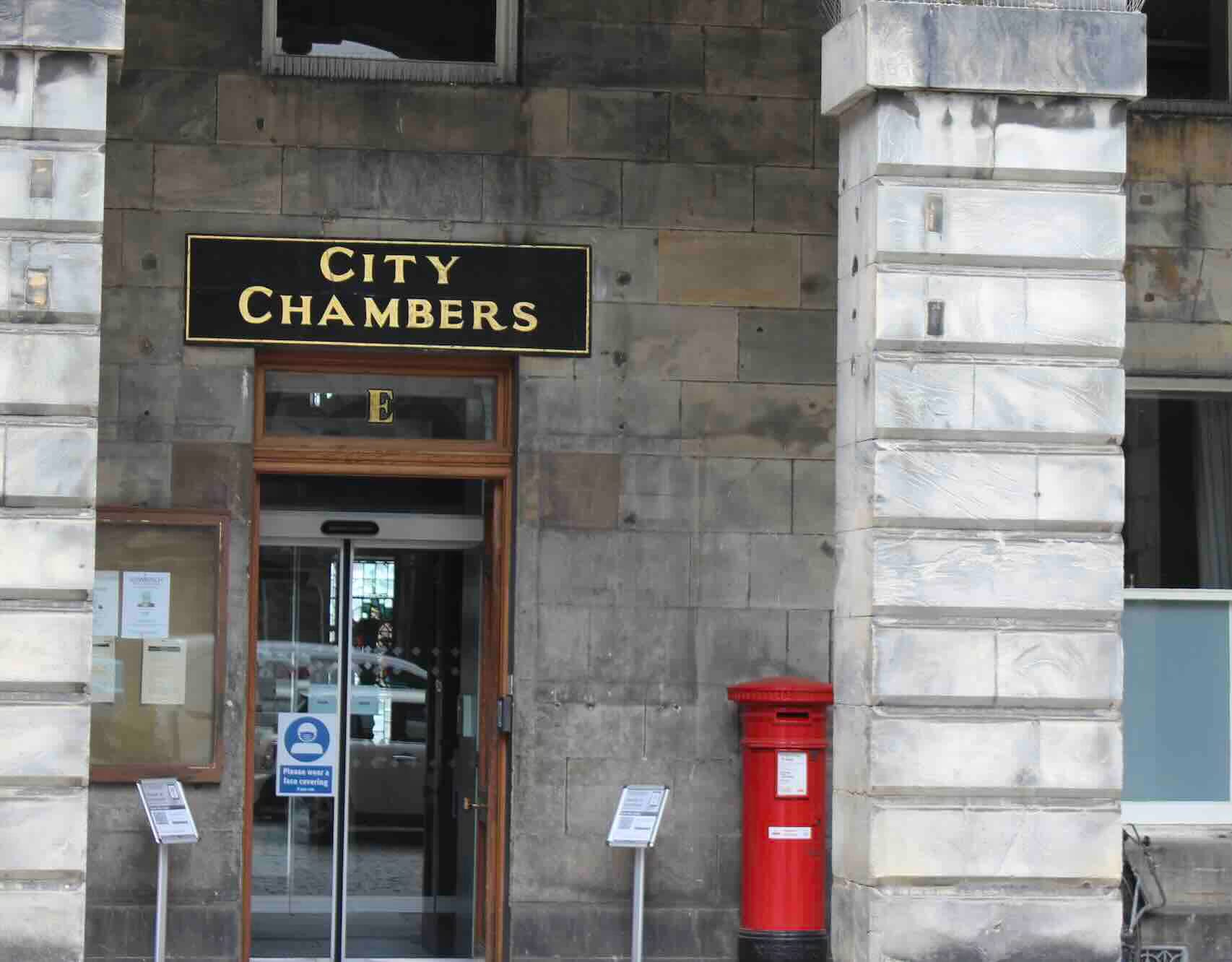
THIS is not really a Big Idea at all. In fact, it’s a very tiny one - at least in terms of its practical implications, were it to be implemented.
The city council’s determination to be as transparent as possible in its deliberations - not least when its elected members gather to take part in any of several committee meetings - is a bit like justice: not only being done, but being seen to be done.
As things stand, committee meetings are broadcast live, online, with a recording then available for later viewing. They are accompanied by extensive background papers, albeit some can be over-long and technical. And meeting decisions are eventually later communicated in the form of minutes.
It all adds up to a commendable commitment.
But there is one tiny aspect that could do with being thought about.
It is at most evident when main meeting motions are merged with amendments and addendums submitted by elected members on behalf of their political parties.
These additional documents are not always that straightforward to follow.
The language is often procedural and they can very quickly get referred to not by the substance of what is being called for, but simply a paragraph number (often in parts, eg 1.1.2.4).
And in a flash, the vote has taken place (with or without those numbered amendments / addendums meshed in) potentially leaving us mere onlookers - the general public and the media, alike - wondering what exactly has been decided.
In the absence of a plain language summary being voiced at the conclusion of a vote, the risk is misunderstanding (including among elected members themselves), misreporting and confusion.
It’s a two-minute gig, at worst, to neatly wrap up what has just taken place.
And it would certainly save BuildEdinburgh having to trouble the city council’s media team, asking: Have I got this right?
Mike Wilson (who still hasn’t quite worked out the difference between an amendment and an addendum) is editor of BuildEdinburgh
Image details: copyright Mike Wilson


